AI Personal Trainer and Nutritionist: How Tech is Making Health Personal
I’ll admit it—I’ve tried many fitness app out there. You know the drill: download something promising, enter your weight and goals, get a cookie-cutter meal plan that suggests you eat chicken and broccoli for the third time this week, and eventually abandon it when life gets busy. Sound familiar?
But something’s changing. Artificial intelligence (AI) is stepping into the health and fitness space in a way that actually feels… different. And I’m not talking about chatbots that spit out generic advice. I’m talking about technology that learns how you operate and adapts accordingly.
Why One-Size-Fits-All Never Worked
Here’s the thing: your body isn’t my body. Your metabolism, your food preferences, your work schedule, your injury history, your stress levels—they’re all unique to you. That PDF workout plan your friend swears by? It might be perfect for them and completely wrong for you.
Traditional fitness apps treat us like data points on a spreadsheet. Input your stats, receive your plan, repeat ad nauseam. But our bodies are complex systems, not simple equations.
How AI Changes the Game
Modern AI-powered health platforms are getting scary good at personalization. Here’s what’s actually happening behind the scenes:
Learning from your patterns. These systems track when you work out, how you feel afterward, what foods make you energized versus sluggish, and even how well you sleep. Over time, the AI spots patterns you might miss. Maybe you crush morning workouts but struggle in the evening. Maybe you overeat on Wednesdays because that’s when work stress peaks.
Adjusting in real-time. Didn’t sleep well last night? A good AI system will dial back your workout intensity today instead of pushing you toward burnout. Crushed your strength goals this week? It’ll progressively challenge you more. This kind of dynamic adjustment used to require an expensive personal trainer checking in with you daily.
Understanding your food relationship. Some AI nutrition apps now analyze your eating habits without making you feel guilty about that pizza you had last weekend. They recognize that you’re more likely to stick with a plan that includes foods you actually enjoy. Instead of banning entire food groups, they help you find balanced approaches that fit your lifestyle.
Real-World Applications I’m Excited About
I’ve been testing a few platforms, and some features genuinely impressed me:
Smart meal planning. Tell the AI what’s in your fridge, your dietary restrictions, and how much time you have. It generates recipes that match your macro goals and uses ingredients you actually have. No more buying specialty ingredients for one recipe.
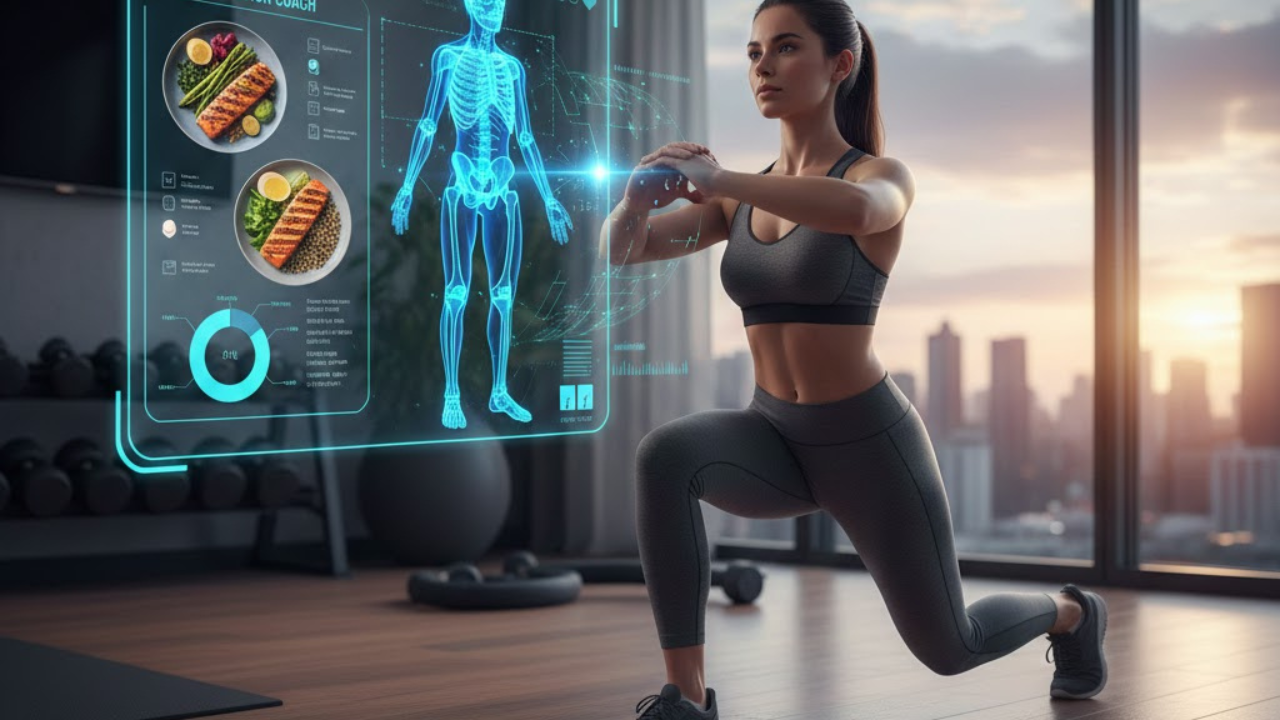
Form correction through your phone. Using computer vision, some workout apps now watch your form through your phone’s camera and provide real-time feedback. It’s like having a trainer spot your squat depth or flag when your plank starts sagging.
Recovery optimization. By analyzing data from wearables, AI can tell when you’re genuinely recovered versus when you’re running on fumes. It’ll suggest a yoga session or rest day instead of that planned HIIT workout.
Supplement guidance. Based on your diet patterns, activity levels, and goals, AI can identify nutritional gaps and suggest specific supplements—though I always run these by my doctor first.
The Human Element Still Matters
Look, I’m a tech enthusiast, but I’m not naive. AI isn’t replacing doctors, registered dietitians, or physical therapists. When I tweaked my foot sometime ago, I needed a real human to assess it, not an algorithm.
What AI excels at is the daily grind—the consistency, the tracking, the micro-adjustments. It’s like having a knowledgeable assistant who never gets tired of your questions and remembers everything about your health journey.
The best approach? Use AI for personalized guidance and accountability, but consult real health professionals for medical advice, injury treatment, and major dietary changes.
Privacy Concerns Worth Considering
I have to mention the elephant in the room: you’re sharing intimate data about your body, habits, and health. Before diving in, check what data these apps collect and how they use it. Look for platforms that encrypt your information and don’t sell it to third parties. Your health data is valuable—treat it that way.
My Take After Six Months
I’ve been using AI-powered health tools for half a year now, and my experience has been remarkably different from past attempts. The personalization feels genuine, not gimmicky. When the app suggests modifications based on my recovery status, it’s spot-on more often than not.
I’m lifting heavier, sleeping better, and actually enjoying my meals instead of choking down “health food” I hate. The AI hasn’t magically solved everything—I still have to do the work—but it’s made the work feel manageable and specifically designed for me.
The Bottom Line
AI in health and fitness isn’t about replacing human judgment or taking shortcuts. It’s about finally having tools that recognize our individuality and adapt to our real lives. The technology has matured past the hype phase into something genuinely useful.
If you’ve been frustrated with generic fitness plans or diet books that don’t quite fit, it might be worth exploring what AI-powered options can offer. Just remember: the best fitness plan is the one you’ll actually follow, and the best diet is one you can maintain. If AI helps make that sustainable for you, that’s not lazy—that’s smart.
Remember, consult a doctor before starting any new diet and/or exercise regimen. Now, if you’ll excuse me, my app just reminded me it’s time for my workout. And for once, I’m actually looking forward to it.
Thank you for reading. If you find this post interesting, kindly share it with your family and friends. Cheers!



This is interesting! I hadn’t thought about using AI like this before. Thanks for sharing this useful information!
Very interesting blog Danwil. I’ve never got into AI but this sounds like maybe I should go about it. I do exercise through lots of walking but I don’t eat right and definitely don’t sleep enough. I think I have to give your tips a try. Thanks for the brief lesson!